


UV DISINFECTION FOR RECIRCULATING AQUACULTURE SYSTEMS (RAS)
With water resources becoming increasingly polluted and scarce, delivering large quantities of high-quality seafood presents a major global challenge.
This has resulted in a shift towards more controlled environments which Recirculating Aquaculture Systems (RAS) offers. However, there are a lot of factors to address in order to achieve success in this complex environment.
Making reared species thrive requires advanced disease control due to continuous water re-use concerning accumulation of species droppings as well as the nutrients used in its feed. If not properly handled, RAS can be an ideal breeding ground for various bacteria and viruses, potentially contaminating the entire production resulting in huge financial losses.
Implementing UV disinfection is a vital integration of a well-functioning and cost-efficient RAS. UV disinfection ensures comprehensive water biosecurity which reduces any virus or bacteria outbreak significantly. As no chemical by-products are added, the crucial water qualities such as pH and temperature remain unaltered, while causing massive improvements in the water turbidity.
The ULTRAAQUA UV systems have been designed to meet the disinfection requirements for even the most complex RAS and disinfects over 100.000 m3/h of RAS water globally per hour.
The great diversity in the product range makes ULTRAAQUA able to accommodate almost any RAS requirements for a high variety of climates and flows in both open channel and closed vessel systems, available in both stainless-steel and polypropylene materials. The best available solution is just a few steps away, whether it may be influent, effluent, or process water to be installed or retrofitted in a variety of RAS layouts.
PRODUCTS
UV & OZONE SYSTEMS FOR RAS WATER TREATMENT
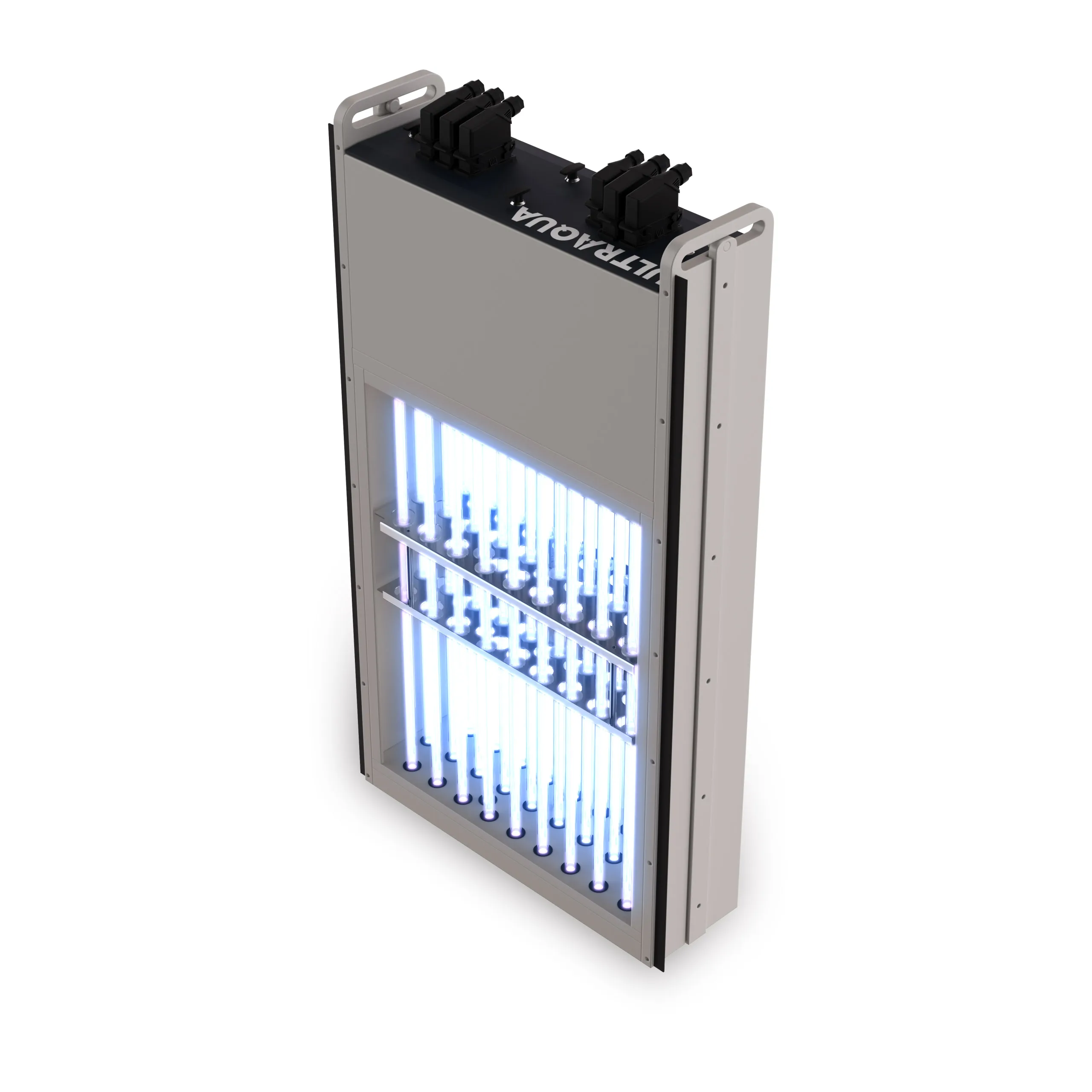
OPEN CHANNEL (PP) SERIES
Non-corrosive open channel UV system for intensive aquaculture applications.
Learn more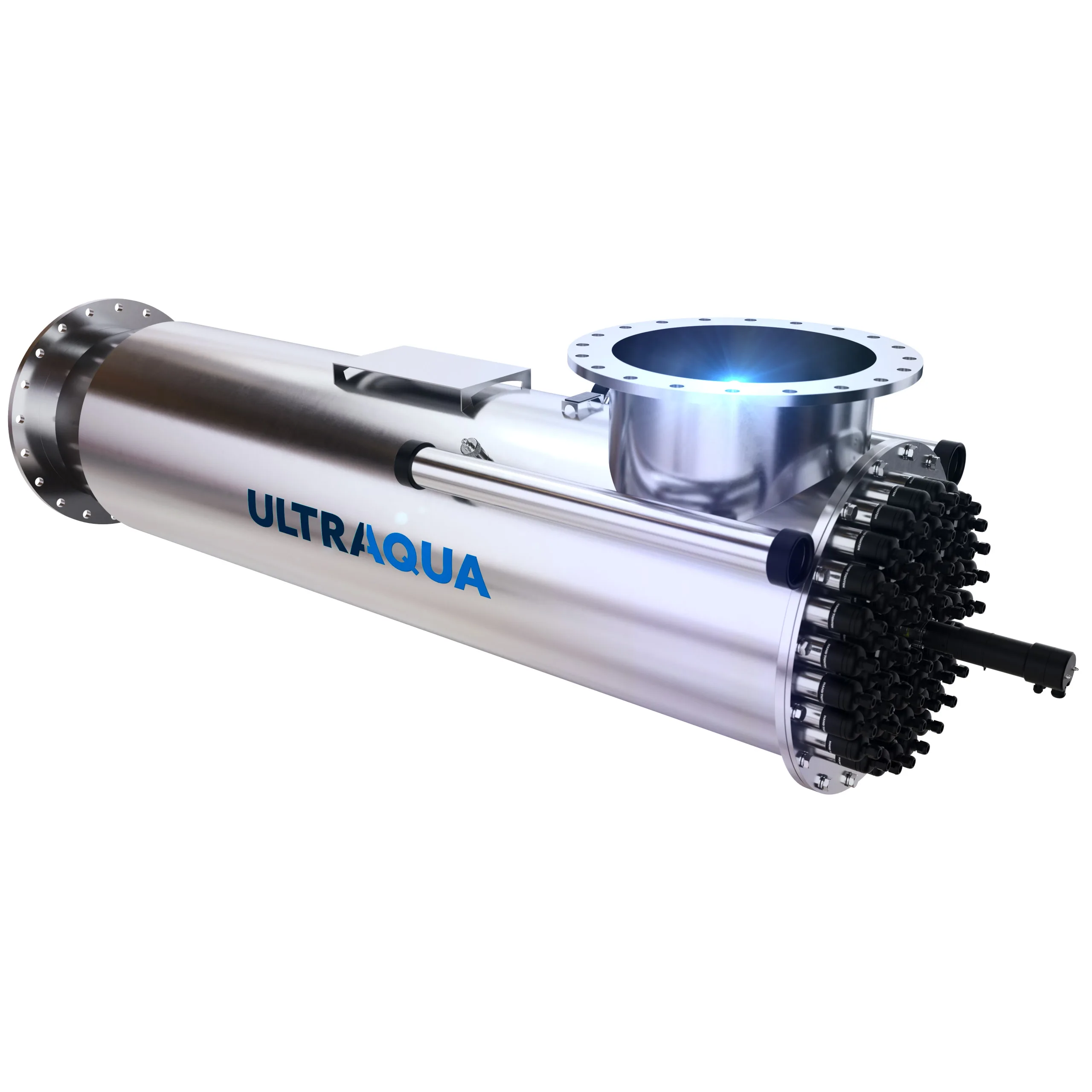
ULTRABARRIER™ SERIES
Safe intake water disinfection for aquaculture with validated performance.
Learn more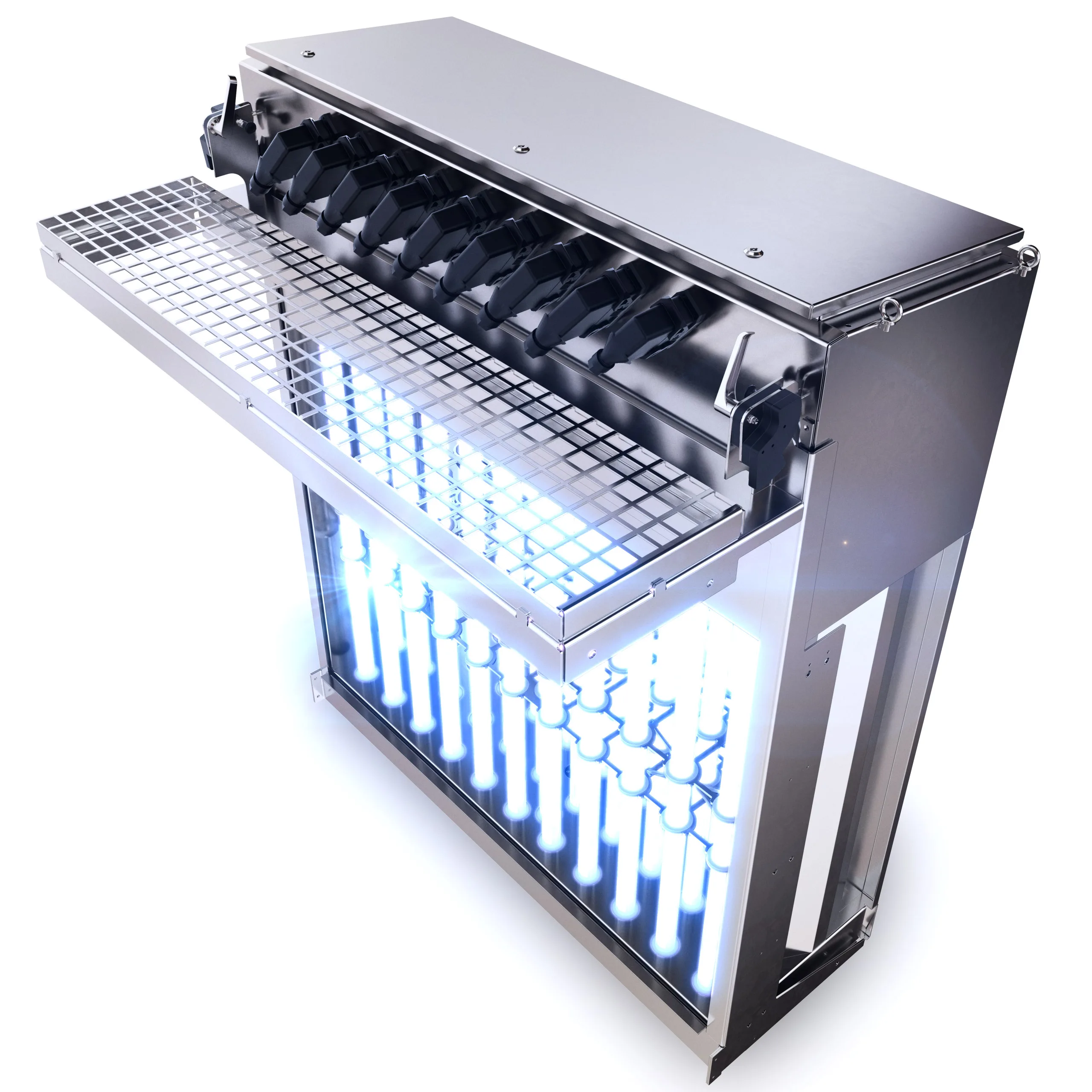
OPEN CHANNEL VERTICAL SERIES
Safe, chemical-free UV disinfection for municipal and industrial wastewater.
Learn more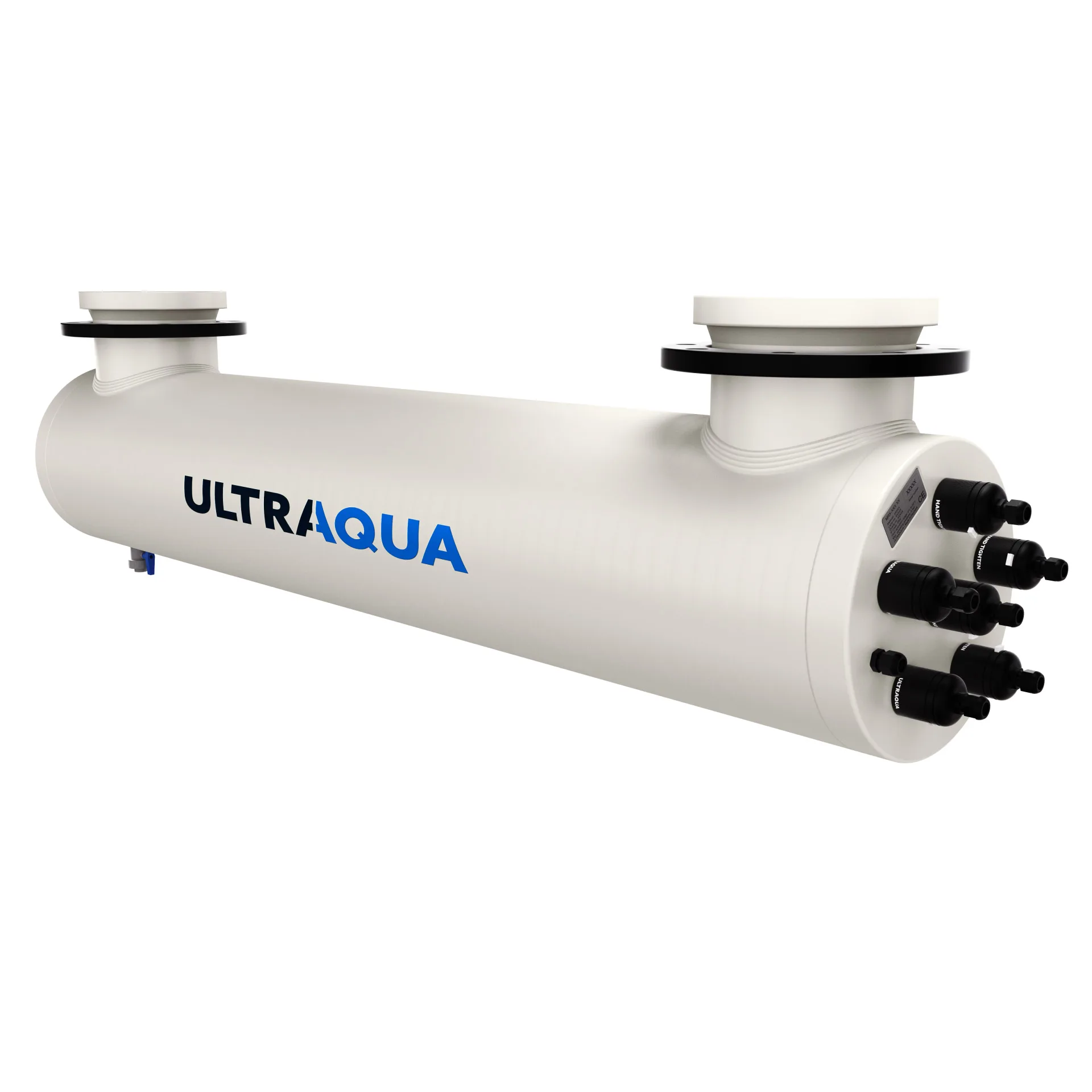
NON-CORROSIVE (PP) SERIES
Non-corrosive UV system for harsh corrosive fluids and saline water.
Learn more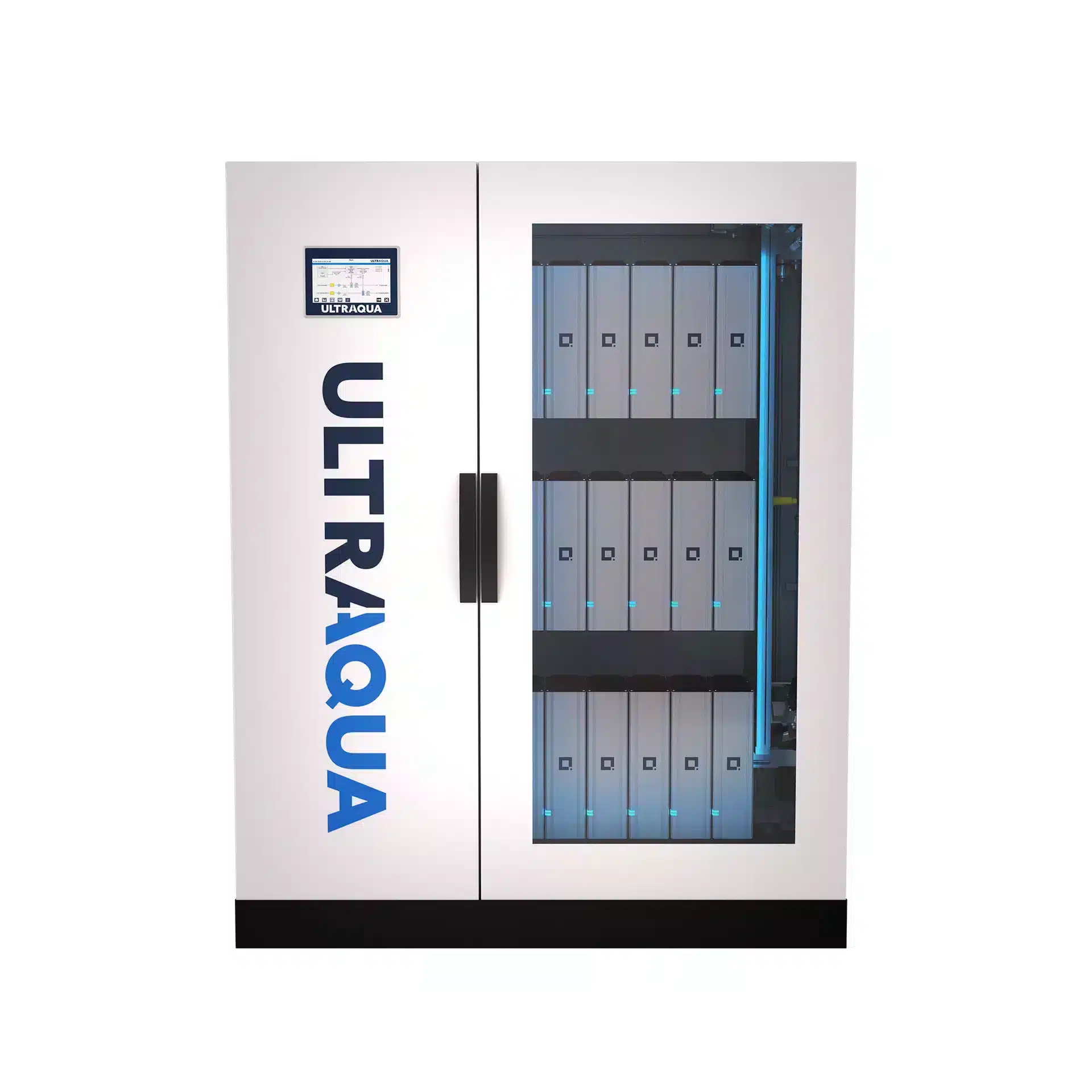
ULTRAQUBE™ 6-18 (GFRP) SERIES
Compact, high-concentration GFRP ozone system for aquaculture applications.
Learn more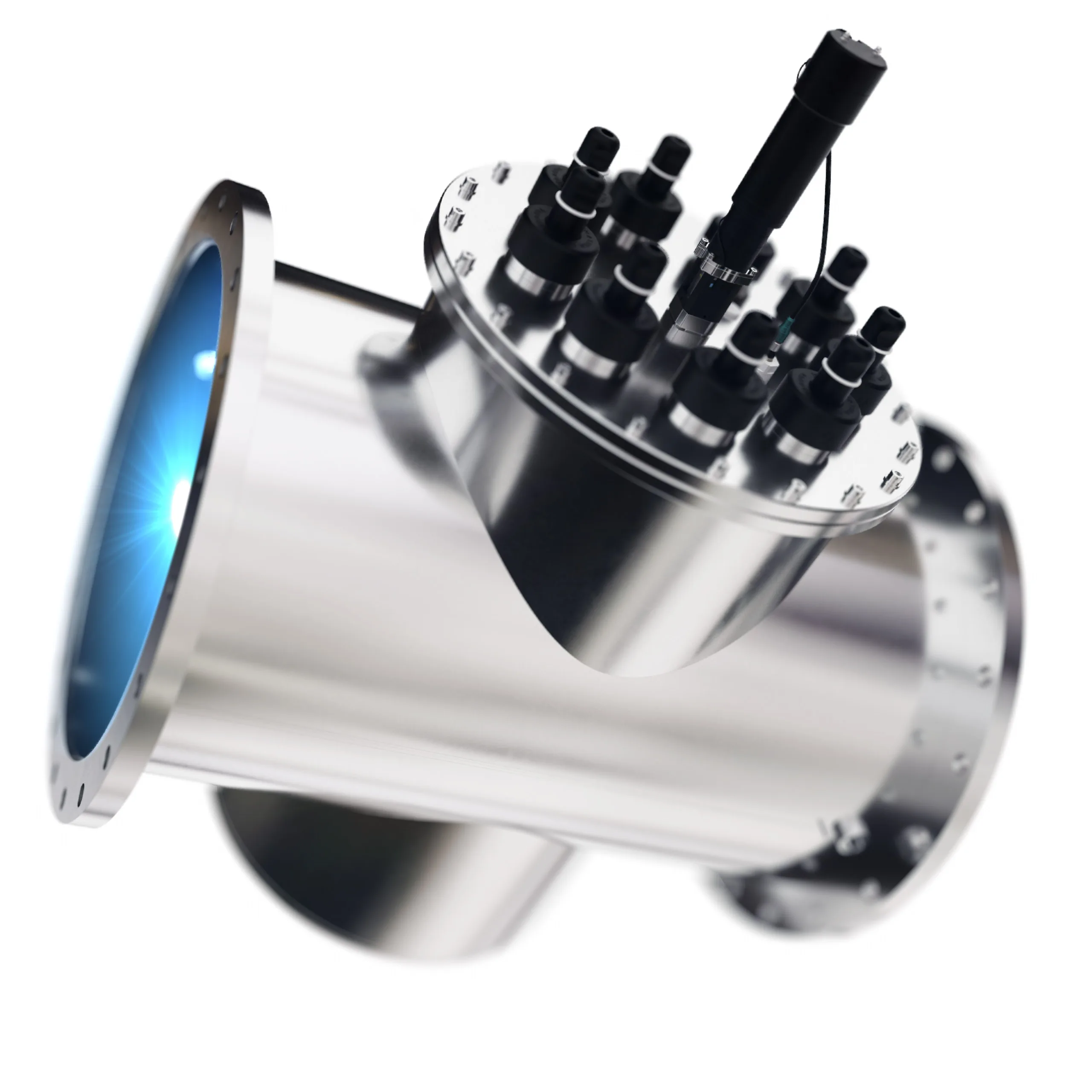
ULTRATRON™ SERIES
High-intensity UV disinfection with a compact design for high-flow applications.
Learn more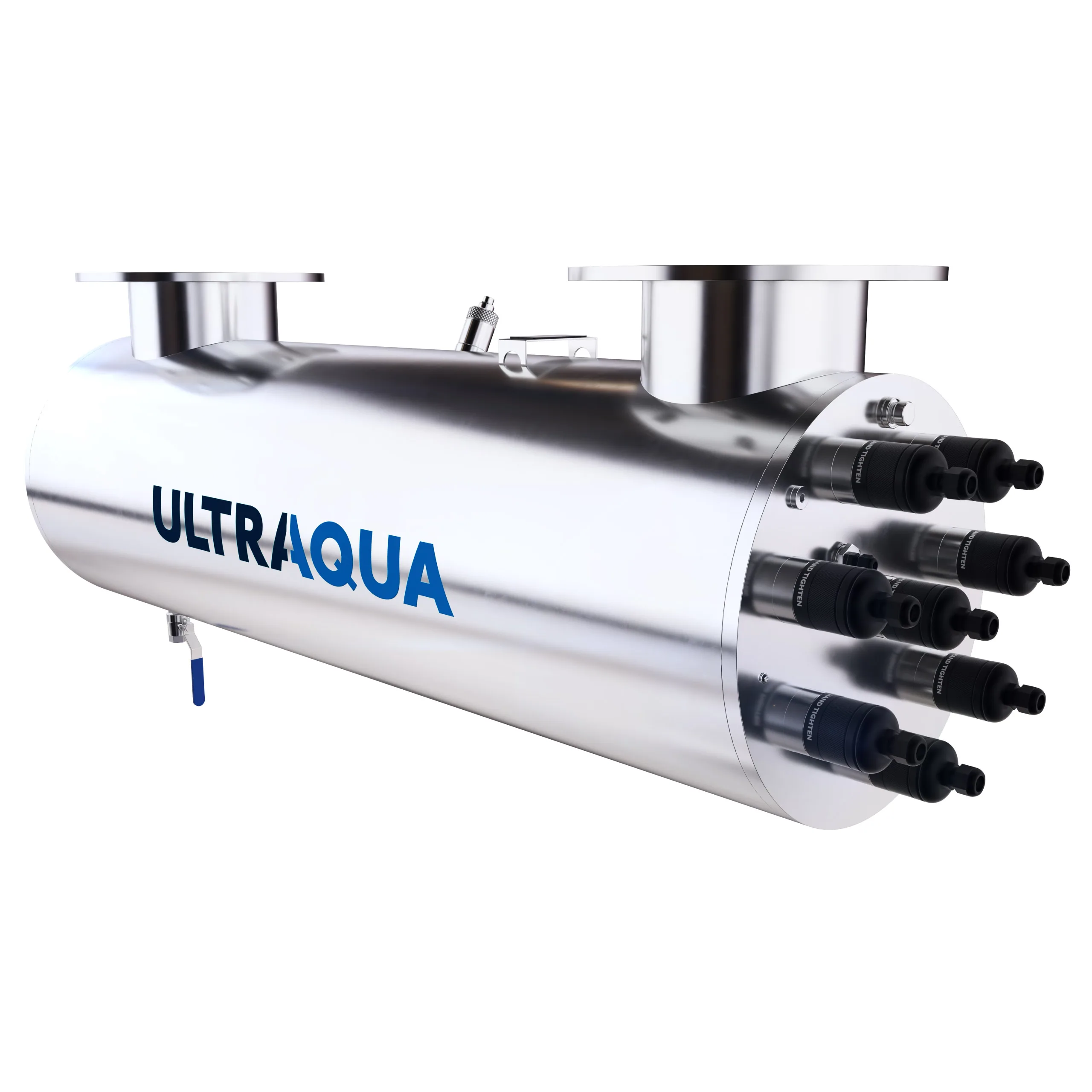
MONORAY™ SERIES
Versatile closed-vessel UV system for reliable and efficient disinfection.
Learn more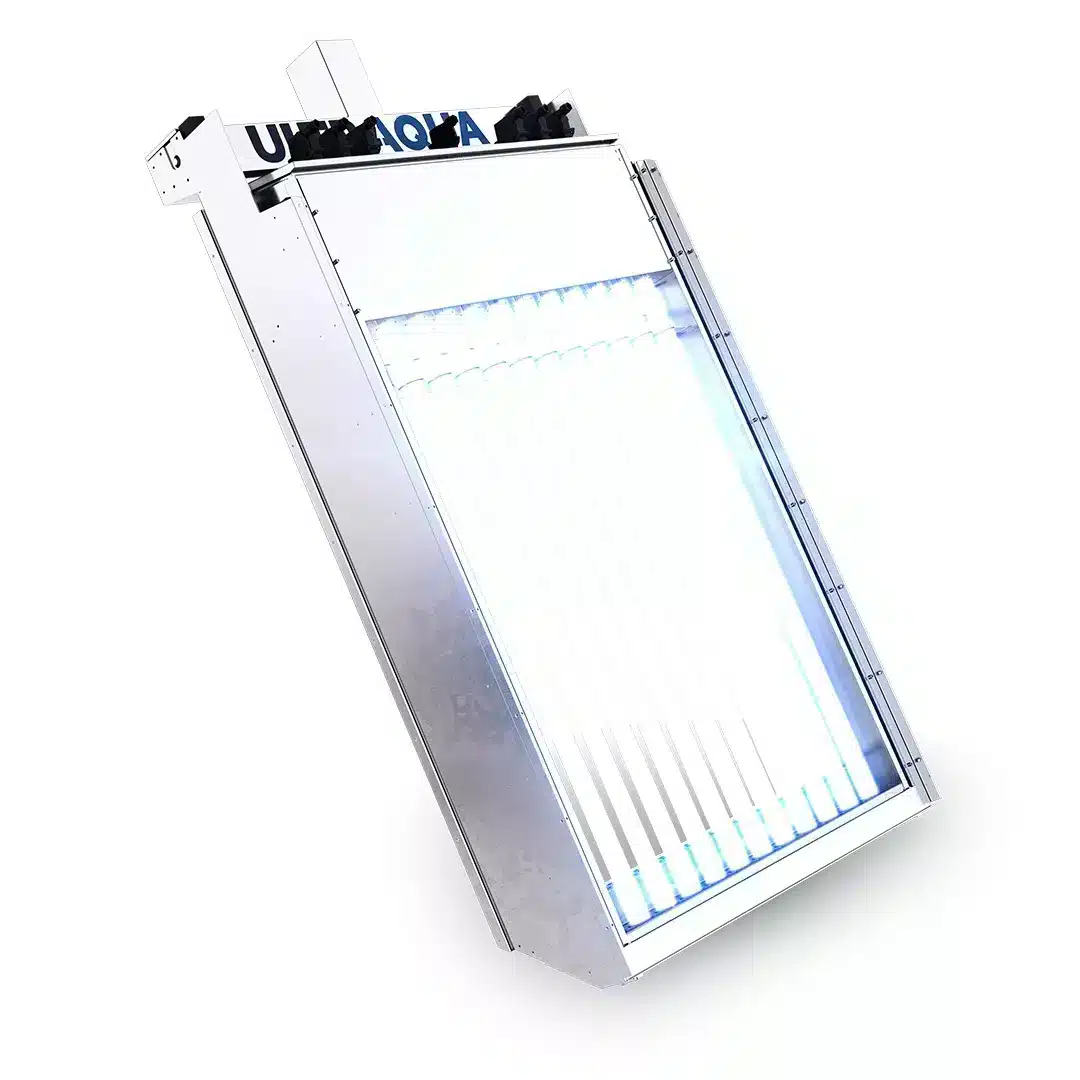
OPEN CHANNEL INCLINED 1000 SERIES
High-efficiency open channel disinfection, validated to USEPA & NWRI standards.
Learn more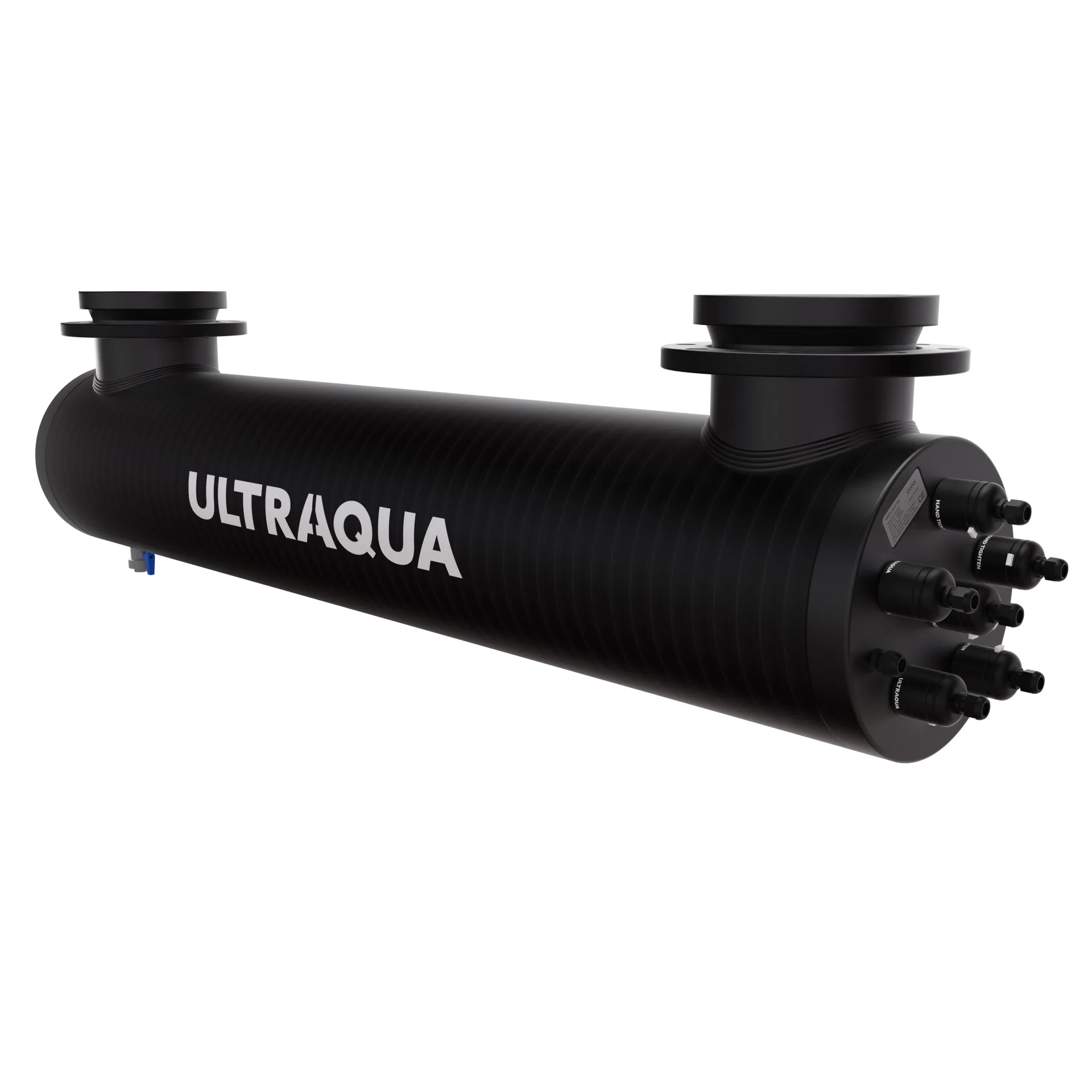
NON-CORROSIVE (PEHD) SERIES
PEHD UV system engineered for highly corrosive water environments.
Learn more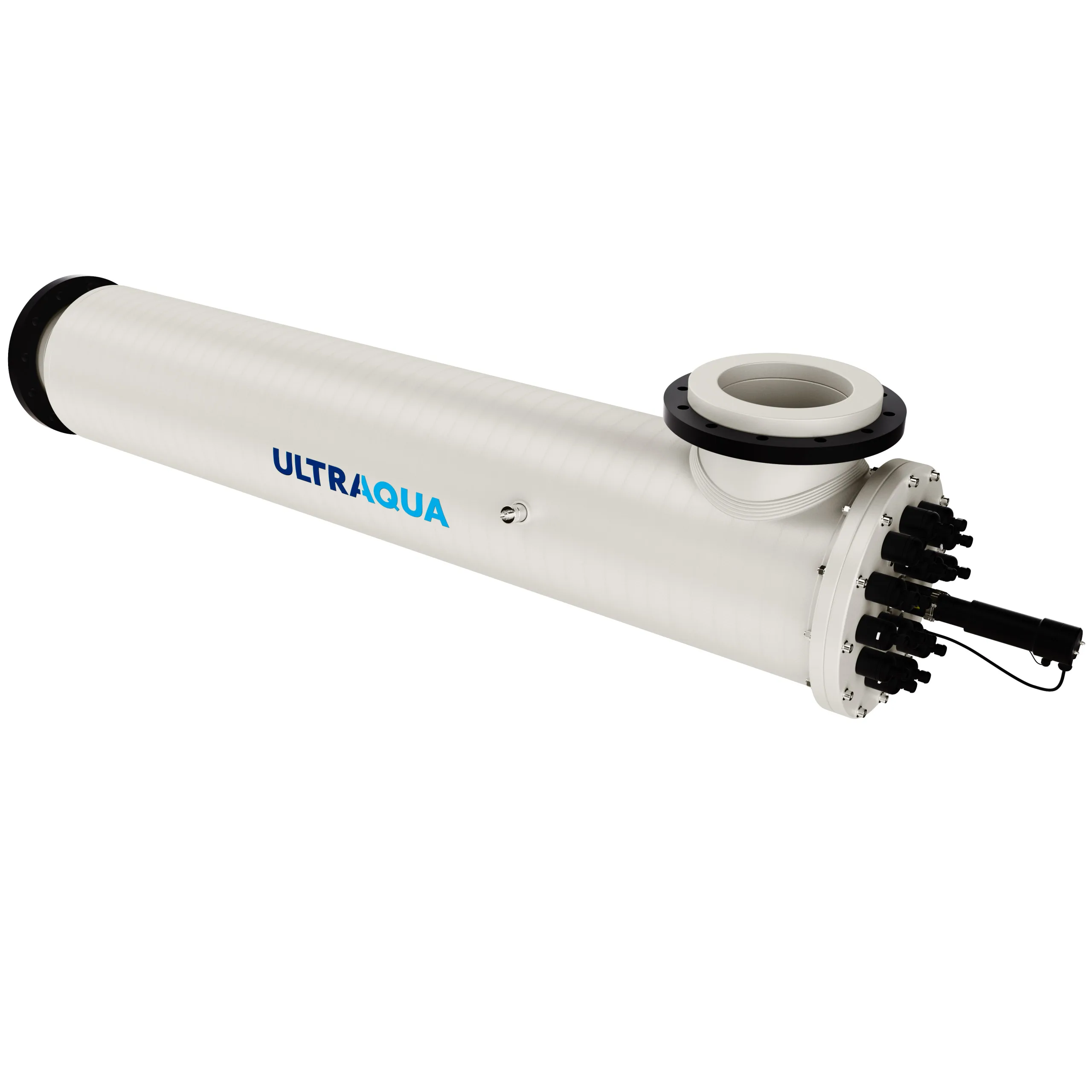
ULTRABARRIER™ (PP) SERIES
Validated non-corrosive intake UV firewall for warm saline aquaculture water.
Learn more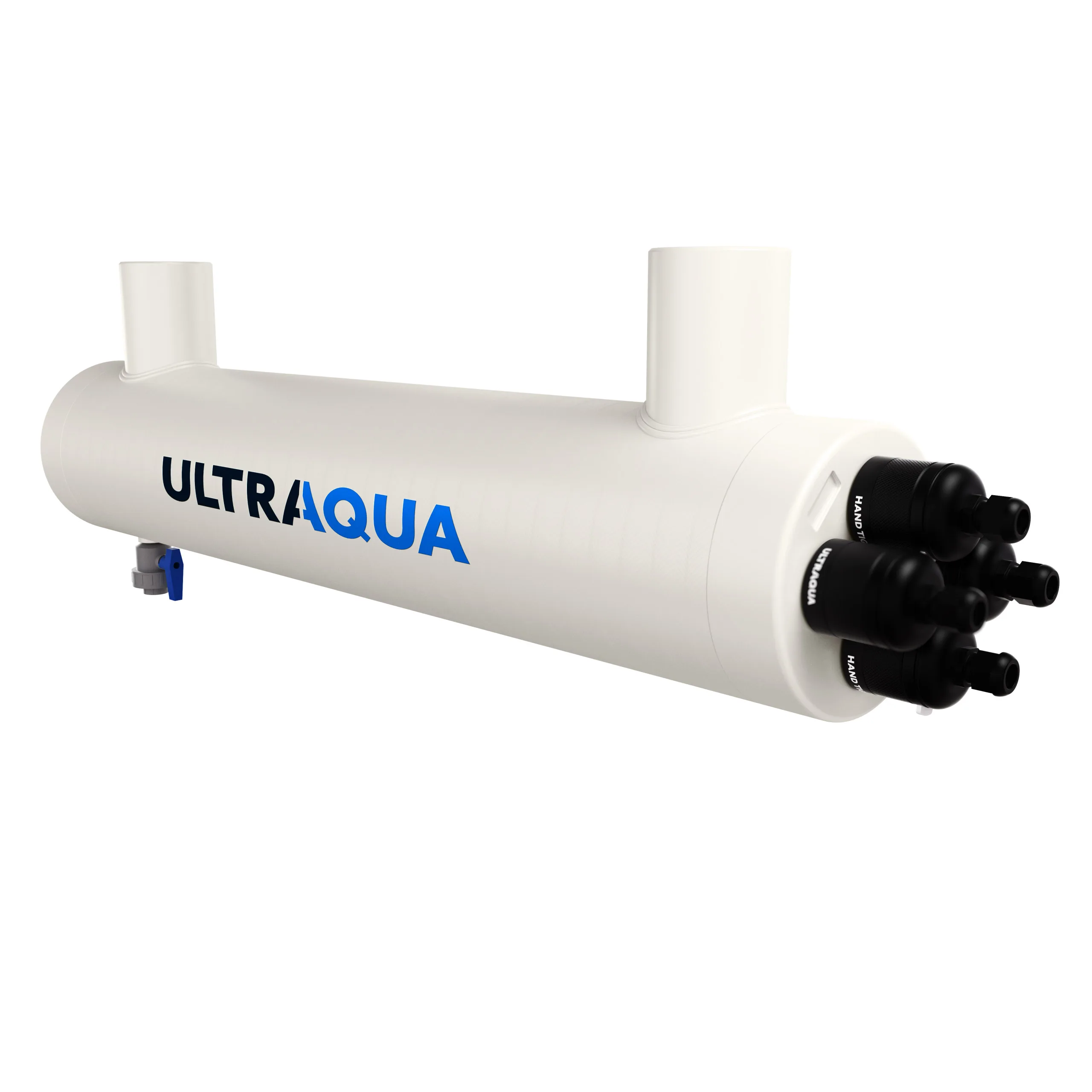
LOW FLOWRATE (PP) SERIES
Compact PP UV system for corrosion-resistant disinfection of low-flow water.
Learn more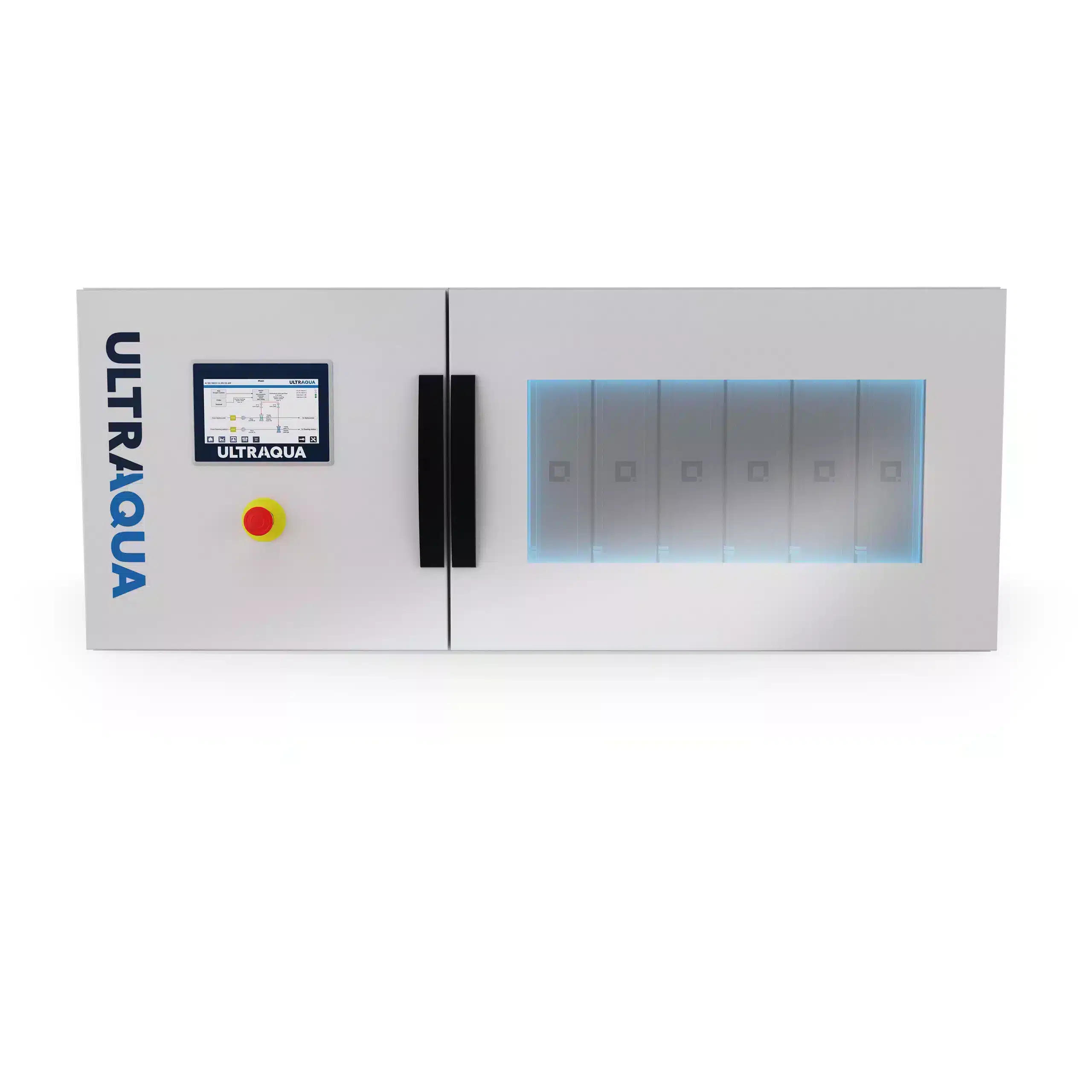
ULTRAQUBE™ 1-5 (GFRP) SERIES
Scalable, high-efficiency GFRP ozone system optimized for aquaculture applications.
Learn more




UV DISINFECTION SYSTEMS FOR RECIRCULATING AQUACULTURE SYSTEMS
FREQUENTLY ASKED QUESTIONS (FAQ)
Find frequently asked questions regarding UV disinfection for this application by clicking on a question below.
How does UV disinfection in RAS improve fish health and growth rates?
UV disinfection plays an essential role in maintaining optimal health conditions within RAS facilities by neutralizing pathogenic microorganisms that can cause disease. This process helps to prevent the spread of infections among the selected species, leading to healthier, more robust growth and higher survival rates. It is a non-invasive and non-chemical method that sustainably ensures the well-being of the fish.
What are the cost implications of integrating UV systems into an existing RAS facility?
Integrating UV disinfection systems into an existing RAS facility is an investment in the longevity and productivity of the entire aquaculture operation. While there is an upfront cost for the equipment and installation, the long-term benefits include reduced mortality rates, improved water quality, and decreased reliance on chemical treatments. These factors contribute to an increased long-term cost-efficient operation by lowering ongoing expenses related to fish health and water management, enhancing the overall efficiency of the aquaculture system.
Are UV disinfection systems difficult to maintain?
UV disinfection systems are designed for ease of maintenance, ensuring that they can be serviced with minimal downtime. Additionally, alarms regarding performance, lamp lifetime, etc., are available through the control cabinet, allowing for proactive maintenance. This can be combined with automatic sleeve wiping technology to further enhance operational efficiency and minimize maintenance requirements.
Does UV disinfection affect the water quality in RAS?
UV disinfection positively affects water quality in RAS without altering its chemical composition. Unlike chemical treatments, UV disinfection does not leave any residues or by-products in the water. This means the water remains safe and healthy for the species being cultured, without the risk of chemical buildup in the system.
How do I choose the correct material for the UV reactor?
Depending on the source of intake water, the environment can be very corrosive due to salinity or air humidity. This can be a challenging setting for commonly used materials in UV reactors and control cabinets.
Based on 25 years of experience in seawater disinfection in warm and cold-water environments, ULTRAAQUA has developed the UV stabilized polypropylene (PP), which is resistant to warm seawater due to its non-corrosive construction. For cold seawater and freshwater applications, fully electropolished SS316L reactors are available. This ensures an increased corrosion resistance on the outside surface, and increased UV light performance due to internal reflection on the inside surface.
COMMON AQUACULTURE DISEASES AND UV DOSES
Bacterial
Aeromonas salmonicida – 5.0 mJ/cm2; Aeromonas hydrophila – 5.0 mJ/cm2; Flavobacterium psychrophilum – 126 mJ/cm2; Vibrio salmonicida – 1.5 mJ/cm2; Vibrio anguillarum – 4.0 mJ/cm2; Pseudomonas Fluorescens – 11.0 mJ/cm2; Renibacterium salmonicida – 20.0 mJ/cm2; Bacterial Kidney Disease (BKD) – 60.0 mJ/cm2
Viral
Infectious Salmon Anemia Virus (ISAV) – 10.0 mJ/cm2; Infectious Pancreas Necrosis Virus (IPNV) – 250 mJ/cm2; Nodavirus – 200 mJ/cm2; Infectious hematopoietic necrosis Virus (IHNV) – 30.0 mJ/cm2; Atlantic Salmon Paramyzo Virus – 240.0 mJ/cm2; Heart Sceletal Muscle Inflammation (HSMI) – 250.0 mJ/cm2; Nervous Necrosis Virus (NNV) – 70.0 mJ/cm2

ULTRAAQUA is an international manufacturer of UV & Ozone water treatment systems for a wide range of water treatment applications.
© Copyright – All Rights Reserved – Privacy Policy

