


A high-volume beverage bottling facility in Latin America operates a centralized CIP (Clean-in-Place) sanitation station supplying 12 production lines and approximately 60 connected peripherals, including process tanks, solution tanks, mixing systems, juice-related equipment, and syrup preparation units.
The site runs frequent product changeovers and relies on consistent, repeatable sanitation performance to protect product quality while keeping line availability high.
The facility wanted to modernize its CIP approach to reduce cycle time, water consumption, and chemical use, while improving operator safety and maintaining strict microbiological compliance.
Prior to the project, the standard CIP sequence relied on conventional chemicals (treated water, caustic soda, hot water, cold water, final rinse), and in critical applications a cold disinfection step based on peracetic acid. Typical cleaning cycles averaged around 3 hours per line, with performance variability depending on product type and organic load (e.g., juice-containing beverages).
The goal was to standardize results across production and peripheral circuits, eliminate or reduce aggressive chemicals, and increase production uptime through faster, validated cleaning cycles.
ULTRAAQUA engineered and supplied an ozonation-based CIP disinfection system centered on an ULTRAQUBE-2 SS ozone generator, integrated with an MR8-220SS UV system for residual ozone destruction at discharge.
The upgraded CIP sequence was simplified to three stages (1) Treated water (2) Ozonated solution (3) Treated water.
The Ozone solution is produced and maintained in a closed-loop circuit with a 15,500-liter tank. Incoming water is cooled via a heat exchanger (approximately 30°C down to ~10°C) to support stable ozone dissolution, then recirculated while ozone concentration is automatically monitored and maintained (standby/automatic restart as needed). The installation includes safety features such as ambient ozone leak detection and online concentration monitoring, with automated dosing and interlocks for reliable operation.
In operation, the site achieved typical CIP durations of 60-90 minutes (product-dependent), cutting cleaning time by roughly 50% versus the previous baseline. The implementation enabled elimination of peracetic acid in the ozonated circuits, delivering approximately 45% reduction in overall chemical consumption and ~40% water savings to date, while meeting the facility’s internal microbiological requirements and improving consistency between consecutive CIP cycles.
The ULTRAAQUA ozone & UV CIP system is in full operation across the production lines, with microbiological results to date showing full compliance with the facility’s internal standards.
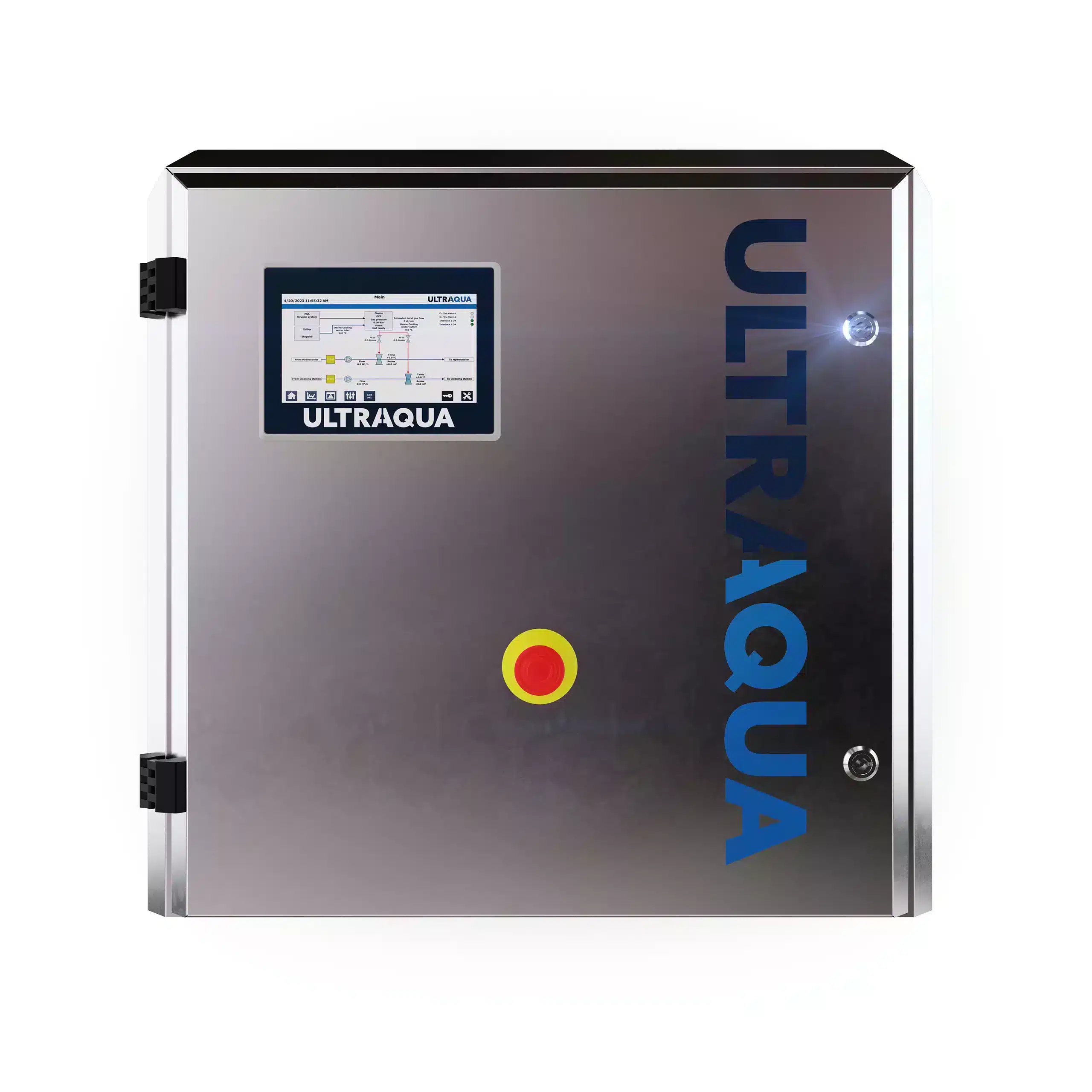
Scalable, robust ozone system in stainless steel for industrial applications.
Learn more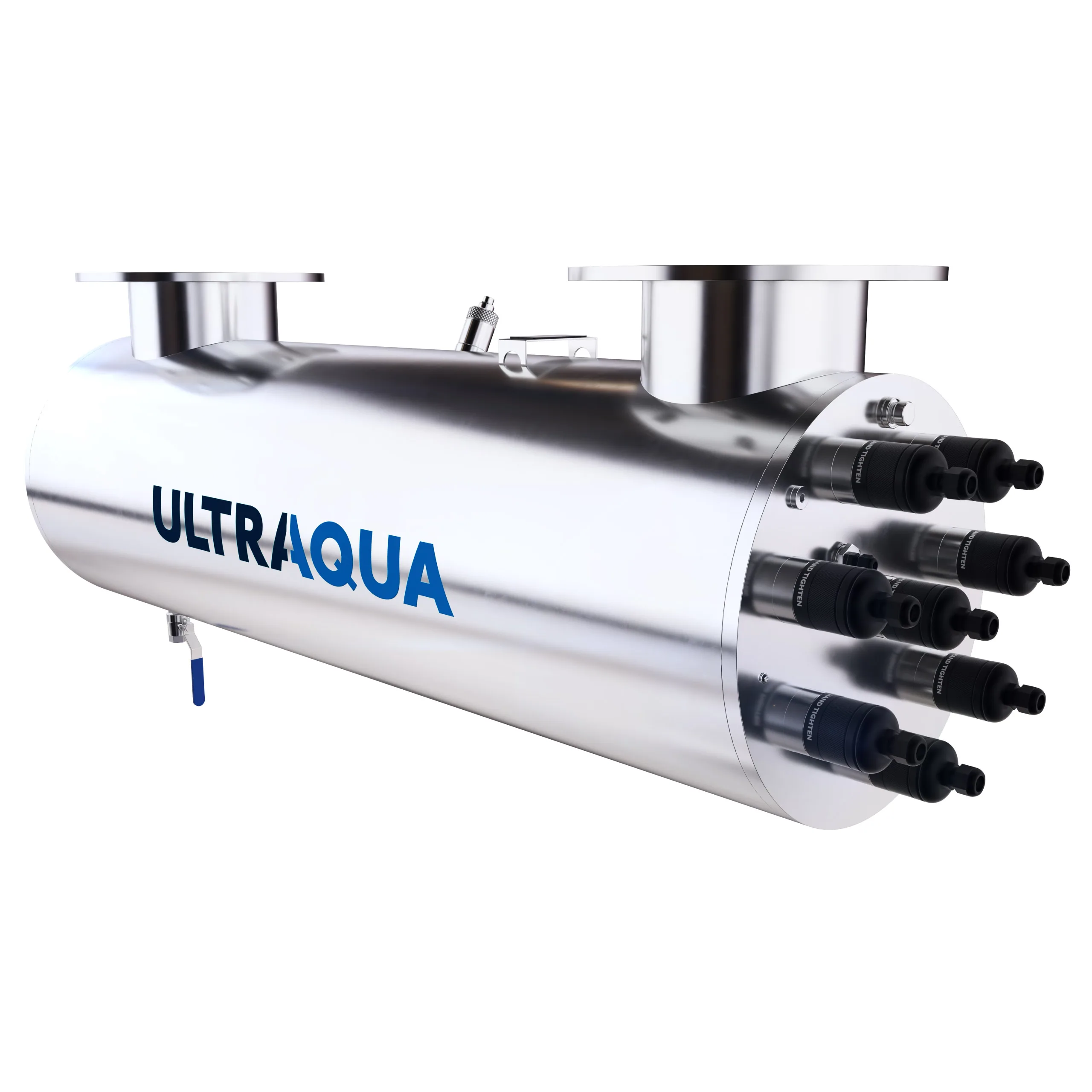
Versatile closed-vessel UV system for reliable and efficient disinfection.
Learn more
ULTRAAQUA is an international manufacturer of UV & Ozone water treatment systems for a wide range of water treatment applications.
© Copyright – All Rights Reserved – Privacy Policy

